

Clarity
Knowing what you are working on and why removes the mental overhead of constant re-evaluation. Clear intentions make starting easier.
Practical, straightforward approaches for organizing your tasks, choosing where to direct your attention, and building daily routines that feel sustainable over time.

Each workday brings a fresh set of tasks, decisions, and competing priorities. Without a thoughtful structure, it is easy to feel scattered or unsure where to direct effort.
This resource exists to share straightforward, evidence-informed frameworks that many people find useful when organizing their day. The goal is not to prescribe a single method, but to offer a range of approaches you can explore and adapt to your own context.
All content on this site is intended for educational and informational purposes. You are the expert on your own circumstances, and the value of any approach depends on how well it fits your specific situation.
Read the Prioritization Guide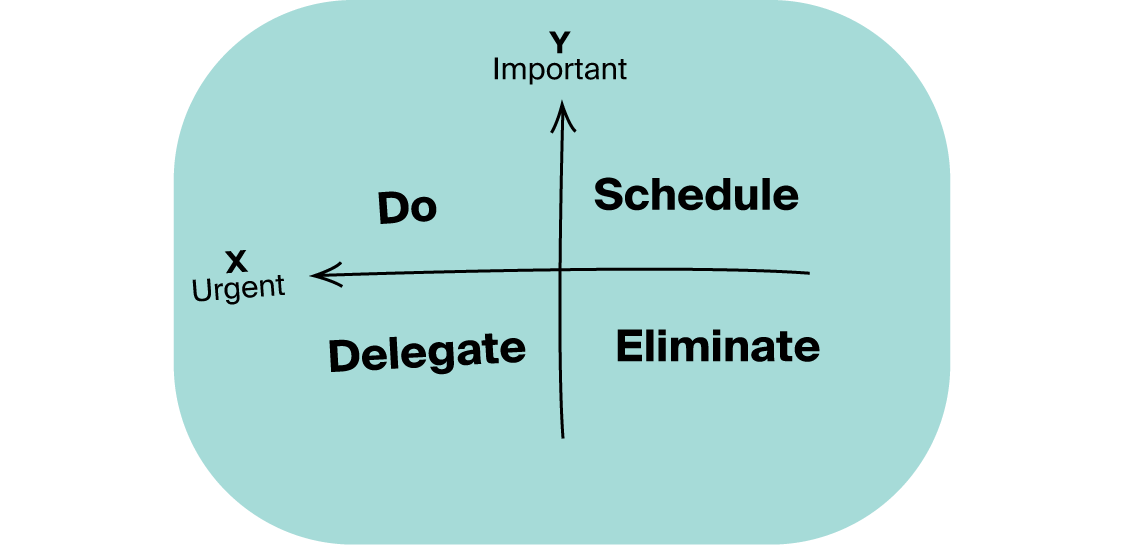
Each principle reinforces the others, creating a consistent framework you can return to whenever your workflow needs a reset.
Knowing what you are working on and why removes the mental overhead of constant re-evaluation. Clear intentions make starting easier.

Directing sustained attention to one task at a time is generally more effective than dividing effort across multiple things simultaneously.

A reliable daily structure reduces the number of decisions you make, freeing mental capacity for the work itself.

Small, repeatable habits applied regularly tend to produce more durable outcomes than occasional intensive effort followed by long breaks.
Each guide explores a specific aspect of daily task organization, with practical frameworks and concrete starting points.
If you are new to structured workload management, these three steps offer a gentle, low-barrier entry point.
Capture all current tasks in one place. The act of writing things down moves them out of your working memory and into a manageable list you can review clearly.
Review your list and mark each item by its relative importance and time sensitivity. This can be simple — a three-tier system often works well.
Reserve specific slots in your schedule for your highest-priority work. Treat these blocks as fixed commitments and protect them from unplanned interruptions where possible.
These individual practices can complement any workload management approach. Experiment with the ones that seem most relevant to your situation.

Allocate 10–15 minutes at the start of the day to review your task list and decide on your top three priorities before other demands arise.

Group similar activities together — such as responding to messages or processing documents — to reduce the mental cost of switching between different types of work.

Before moving to the next item, complete or reach a clear stopping point with the current one. This simple habit reduces unfinished work from accumulating.

Spend a few minutes at the end of each workday noting what was completed, what carries forward, and any adjustments for tomorrow's plan.
Once a week, step back from daily tasks to assess your broader workload, identify patterns, and adjust your approach for the week ahead.

Regularly review whether tasks on your list still serve a purpose. Removing items that are no longer relevant can be as clarifying as completing them.
It is not enough to be busy. The question is: what are we busy about?— Henry David Thoreau
Browse our in-depth guides on prioritization and time blocking to find approaches that might fit your daily workload.